What is Virtual Reality?
Virtual reality is the utilisation of technology to create an artificial environment which provides the user with an immersive experience by being placed into what is almost a realistic perspective on situations allowing the person to accept this simulation as a real environment. It displays a 3D image which can be understood fully by altering the viewpoint and zooming in and out, it can also be explored in 360 degrees.
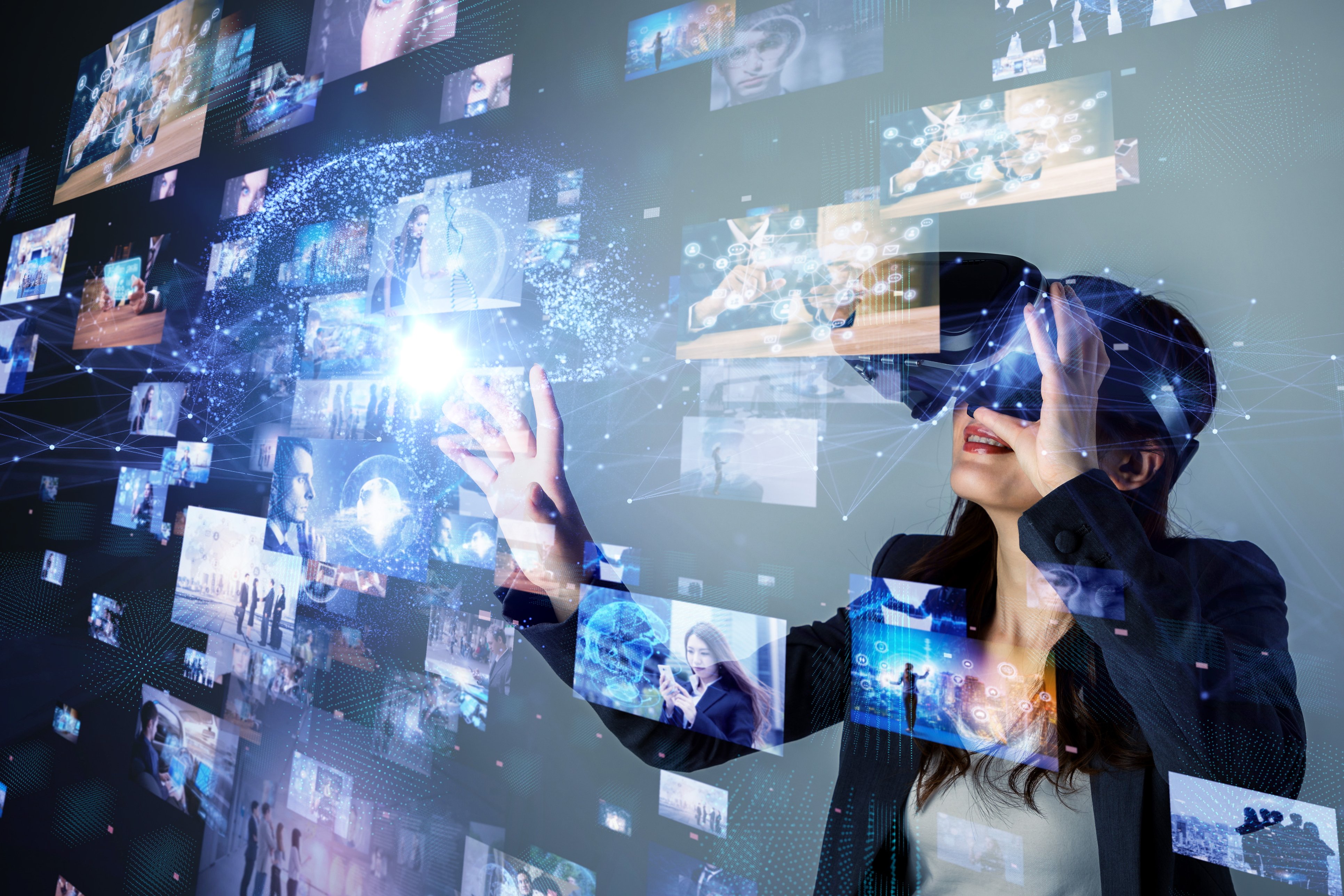
In this week’s seminar, our focus was towards the experience of virtual reality which is why we were assigned to purchase a Google cardboard VR headset to use in the session. As well as this, we were also told to download the VR App called ‘Within’ which included a variety of different video clips that allow you to receive an incredible experience via the VR cardboard headset, but we specifically looked at one in particular named ‘Evolution of Verse’ which takes you on a journey from one beginning of a peaceful look at nature to a new beginning of what seems a foetus. Personally, when viewing this clip on my phone it gave me a relaxing and calm experience which I quite enjoyed, in contrast to this when viewing the clip with a VR headset it allowed a more personal and realistic experience as it captivates the moment more effectively. This was due to the fact I felt like I was in a real environment from start to end and the bounce back from artificial to reality only really occurred once the headset was removed. Therefore, my experience with the VR headset made me feel like I needed to incorporate it more into any activity I would do, not only this but I became more interested in what the other clips on the App had to offer. For example, I decided to look at ‘Restless: Hong Kong’ as initially the cover image was appealing and attracted my attention instantly this took me on a wild ride of the vibrant city that is Hong Kong. This journey was seemingly chaotic and the experience was fast-paced, indicating Hong Kong to be a quite busy and hectic place but this is also why I was thrilled by it because it captured a realistic outlook that makes you feel as though you are in that location along with the high noise levels.
A Virtual Reality headset is not only something that gamers can consider to purchase as this is something that can also be used in education and schooling. For example, teachers can incorporate the use of VR in lessons by providing these headsets to students so that they are also able to have a first- hand experience, by doing this it allows pupils to become more engaged in their work and feel more motivated if teachers can create more productive lessons. Essentially, through the inclusion of VR headsets this means children can have a more realistic view through an artificial environment which can be extremely useful and beneficial towards their academic gain and contribute to how well they understand a topic if more experiential learning is involved. Furthermore, this approach can also be helpful to create a more interactive environment for students if they investigate with new products they are more likely to speak and reflect on their experiences with peers. VR can also transform the way educational content is delivered because it works by creating an imagined world and ultimately requires less cognitive load to process information.
A few properties that make VR in Education an effective tool:
- Better sense of place- students aren’t limited to word descriptions as they can understand how things are put together
- Emotional reaction- new reactions from such tools are fundamental to developing memories
- Develop creativity- useful for content creation and not just content consumption
- Visual learning- some pupils are visual learners so they find it easier to learn through this approach
- Embrace new technology- technology is evolving at a rapid rate, therefore VR provides an insight on future models to come and helps to adapt to them

In the future, I’d like to think teachers will increasingly involve tools such as cardboard VR headsets as they are incredibly beneficial to the learner and are also cost-effective so that all students are able purchase one. Although, in hindsight it’s evident much better technology will be produced by then, which will be more capable than VR headsets and more sufficient.
 Maryam’s blog